In my role as CEO of BATA, I work with the board directors to develop and implement strategies and programs that further the aims and objectives of our organisation, to campaign for the rights and interests of those people who need or use AT, and to continue delivering value for BATA's members.
I have 15 years experience in the political engagement and policy, international development and the assistive technology sector, and alongside being CEO at BATA, I'm a Consultant aiding NGOs, charities, businesses and international organisations to make progress for people with disabilities and underrepresented groups. Prior to consultancy, Katherine worked at GDI Hub where she managed half of AT2030, a £40 million match-funded programme designed to learn what works to get assistive technology to those that need it around the world. In 2021, Katherine became Lead for Advocacy and Strategic Communications. Before her time at GDI Hub, Katherine worked at European level as Google Fellow with the European Disability Forum, and later, the European Expert Group on Deinstitutionalisation. In the UK, Katherine set up and managed the All-Party Parliamentary Group on Assistive Technology, an organisation that BATA is involved with to this day. Katherine is based in Antwerp, Belgium.
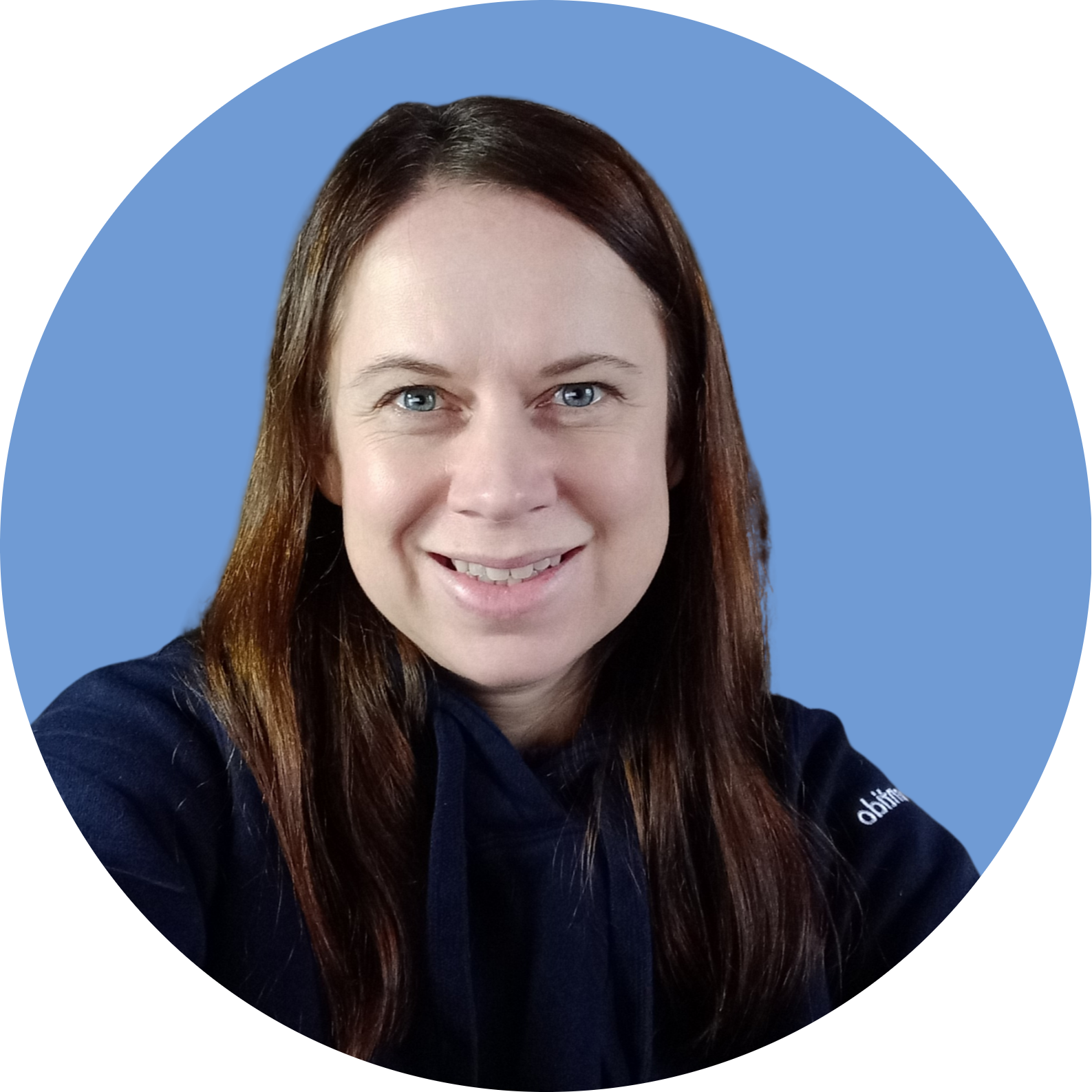

Georgina Bull
Advisory Teacher for Children with Vision Impairments , Havering London Borough Council
The Council for Disabled Children is part of the National Children’s Bureau family. We are the umbrella body for the disabled children's sector with a membership of over 300 voluntary and community organisations and an active network of practitioners that spans education, health and social care.
As a membership body we provide a collective voice that champions the rights of children, young people and their families and challenges barriers to inclusion.
As a collective we believe that the views of disabled children and young people are vital to the development of an inclusive society and that they have the right to be heard and actively participate in decisions that affect them.
We believe that every child and young person should enjoy the same rights and opportunities and that every aspect of society should be fully inclusive to disabled children and young people.
The Speech & Language Link online tools and training enable schools to identify and support pupils with speech, language and communication needs (SLCN). UK schools ran 245,000 of our SLCN assessments last year and implemented our interventions with 65,000 pupils, because fundamental life skills and chances are built on speech and language.
Literacy, social relationships, behaviour and mental health all have speech and language foundations, so our award-winning packages are created and supported by our specialist team of speech and language therapists. All our standardised assessments, evidence-based interventions and staff training are therapist designed, to ensure that no student falls under the radar.
We work with individual establishments, MATs, LAs, Integrated Care Partnerships, NHS services and other specialist teams to support the deployment of our tools and services into schools.
Support for children with Special Educational Needs and Disabilities is in the midst of major reform, culminating with the SEND and Alternative Provision Improvement Plan this spring. As the overall volume of needs becomes greater and more complex, professionals face increasing challenges to achieve the best outcomes for children and young people with SEND.
Organised by Children & Young People Now, the SEND Summit takes place in central London.