Demonstrating Adaptive Instruments in Practice
Related Content
 SEND Network
Opening Doors to Inclusive Music-Making
Exploring practical pathways into adaptive music for SENCOs and educators
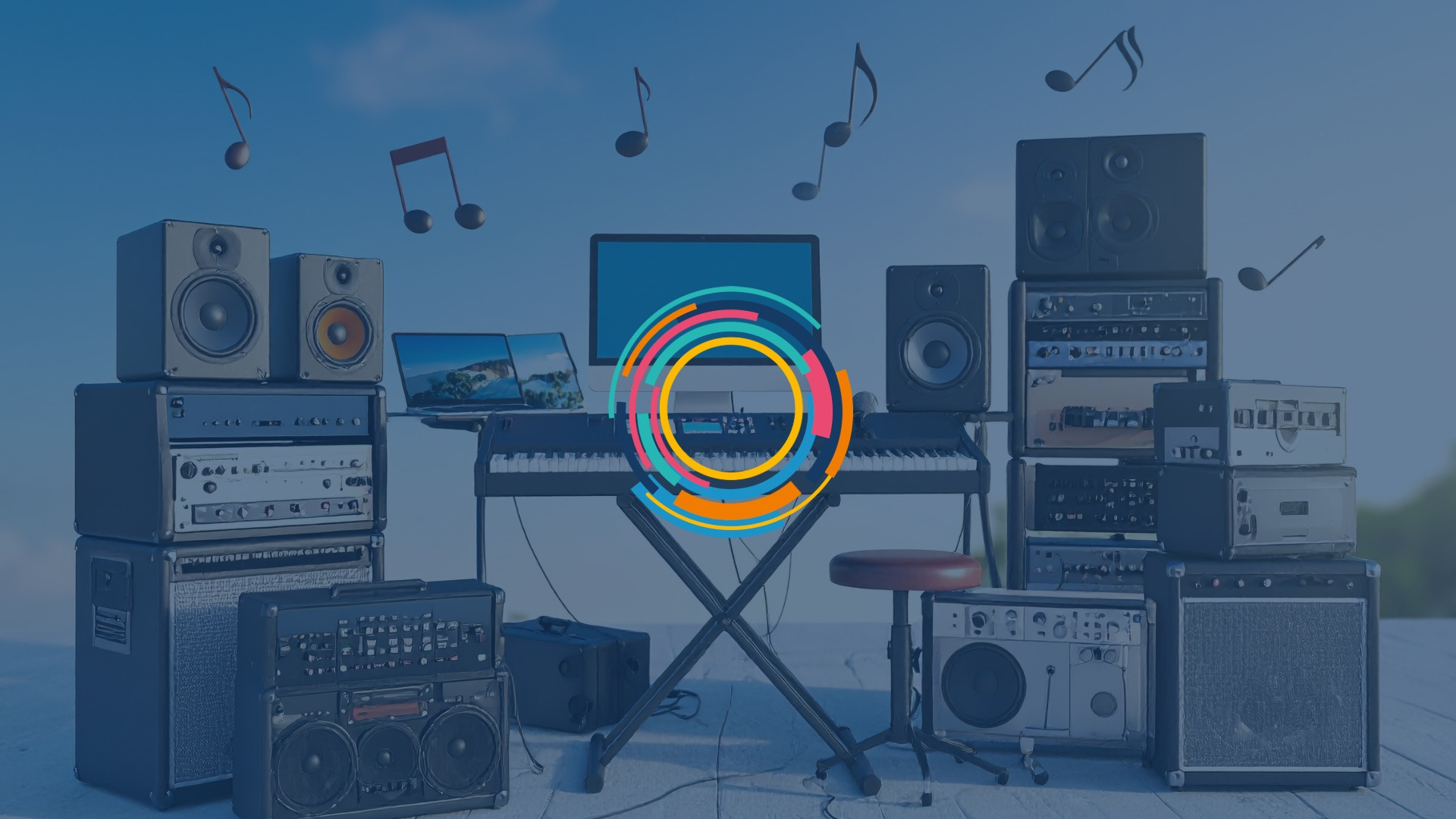
In this video, Richard Llewellyn and Kate Rounding from Technology in Music Education (TiME) demonstrate a selection of adaptive and digital instruments featured in the Guide to Buying Adaptive Musical Instruments.
This video follows on from our recent interview exploring the Guide to Buying Adaptive Musical Instruments, providing a practical look at how some of the instruments referenced in the guide work in real settings. It focuses on what these tools look like in use, and how they may support access to music-making across education and SEND contexts.
TiME works across education, SEND and community music settings to increase awareness of music technology and how it can be used to widen access to music-making. In this demonstration, Richard and Kate talk through a range of instruments designed to support different access needs, including joystick-controlled devices, touch-based and gesture-controlled instruments, digital wind controllers, roll-up keyboards and app-based systems.
The video highlights how these tools can be used in practical contexts such as classrooms, music therapy sessions, ensemble settings and individual learning. Key features discussed include adaptability, affordability, portability, tactile feedback, and the ability to personalise instruments to suit different physical, sensory or communication needs.
Importantly, the focus is on instruments that are commercially available, with consideration given to ease of setup, durability and ongoing support from manufacturers. The demonstration provides SEND professionals with a clearer sense of what these instruments look like in use, and how they might be incorporated into education or therapeutic practice.
The interview offers a practical overview of how music technology can support wider participation in music-making.