The Connection Factor: How Can Schools Build a Sense of Belonging?

The past couple of years have seen a doubling down of effort to enhance pupils’ sense of belonging in schools, with links being drawn to wellbeing, motivation and absenteeism, as well as academic achievement.
Although particular targeted interventions show signs of promise, improving belonging typically involves whole-school systematic and cultural changes. This relies on building the right foundations, starting with relationships in the classroom. When relational inclusion is prioritised, we ensure every pupil feels valued, we demonstrate that their contributions matter, and we invite them into a shared sense of place and reference. There are no quick fixes, but backing this up with plenty of opportunities for cooperative learning, peer bonding, and strong inclusive practice can have a positive impact on pupils’ self-esteem and has the potential to improve their sense of belonging.
Lack of belonging an issue for UK schools – but potential signs of improvement
Data released after the pandemic illustrates the problem of belonging in UK schools. An analysis of TIMSS data between 2019 and 2023 has shown a stark decline in pupils’ emotional engagement with school after transitioning to secondary level; a drop noticeably more pronounced in England compared to other countries.
Lately, the picture is perhaps more hopeful. Survey results from the DfE’s Pupil Experiences in School report show a 12 percentage point increase in the number of secondary pupils stating they felt they belonged at their school ‘most or every day in the past week’ in May 2025, compared to the same time the year prior. Time will tell whether these green shoots of improvement can be sustained.
It’s worth remembering that the survey also showed that 16% of secondary pupils said there was “rarely” or “never” an adult who “really cares about me” in school, an improvement from previous years, but a demonstration of the work still to do. The problem of belonging is less pronounced in primary schools, but it is still something that needs to be addressed, especially amongst pupils with SEND.
An intentional system for maintaining positive staff-pupil relationships
You’d be hard-pressed to find a teacher who doesn’t value and pursue positive relationships with their students. Yet stretched timetables and the pressures of meeting targets can erode relationships over time. By way of example, a 2024 University of Bath report found that secondary pupils felt their sense of psychological safety and belonging was undermined by several factors, such as being put on the spot, having misunderstandings dismissed as ‘laziness,’ or being treated unfairly. These classroom experiences directly contribute to a wider sense of isolation from adults.
Dr. Larissa Gaias from the University of Massachusetts recommends that schools make time for an intentional approach to relationship building. “Relationships in general, regardless of their nature, without intentional efforts tend to degrade over time,” Gaias says, “we need intentional ongoing efforts to keep those positive relationships intact”.
Some things to think about, in order to follow Gaias’s advice include:
Revisiting the Establish, Maintain, Restore (EMR) method
While the Establish, Maintain, Restore (EMR) framework is a staple in many classrooms, its success relies on being fully embedded and prioritised across school, with staff given time to reflect. Segmenting pupil registers into establish, maintain or restore categories can help teachers and behaviour teams build a bigger picture of their student population, spotting not only individuals, but also trending groups of pupils that might need greater focus or coaching support. Categories are divided into the following;
- Establish: For new pupils. Focus on getting as much background information as possible, “talk them up” to other adults, use activities to get to know them, send positive notes home, show genuine excitement for their presence, and give one-to-one time to establish psychological safety.
- Maintain: For the steady middle. Don’t let them become “invisible.” Keep the momentum with low-stakes high-impact moves: warm greetings at the door, quick “weekend check-ins”, “this or that” voting for conversation starters, celebrating achievements, giving targeted, derserved praise and recognising effort, not just outcome.
-
Restore: For pupils where the bond has frayed. This requires the most intensive effort, prioritising empathetic listening, collaborative problem solving and structured restorative sessions to repair trust and including (where necessary) admitting when we may have overreacted or made mistakes.
Placing restorative practice at the heart of behaviour policy
Restorative practice is a key part of the EMR approach. While consequences for behaviour remain, it redirects focus away from re-instating obedience towards rebuilding relationships by listening to students. Moving away from punative punishment can be an essential part of helping students feel heard and fairly treated in school. A Teach First report noted that five out of the six secondary schools who scored highly on indexes of inclusion and attainment used disciplinary systems grounded in restorative practice.
Some schools quoted in the report above, ensure that if detentions have to be issued, they are always held same day so teachers can follow up with reflective conversations and an all-important fresh start the next morning. Others have appointed a designated Head of Year who has purely pastoral responsibilities to help immediately reset behaviour before punishment is necessary.
For restorative practice to work for all pupils, the process must be both accessible and adaptable. For neurodivergent individuals, traditional verbal scripting can be a barrier. Effective schools adapt this by using visual supports (like comic strip conversations) and ensuring students are fully regulated before attempting a restorative dialogue – even if that means waiting until the next day.
Finding a system to notice the good things
Simple visual cues, such as gratitude boards in corridors or ‘hype boards’ in classrooms, can serve as effective prompts for connection. By dividing these boards into sections for both teacher and student to leave positive sticky notes to recognise weekly wins and positive actions, teachers can build a regular habit of positive affirmation.
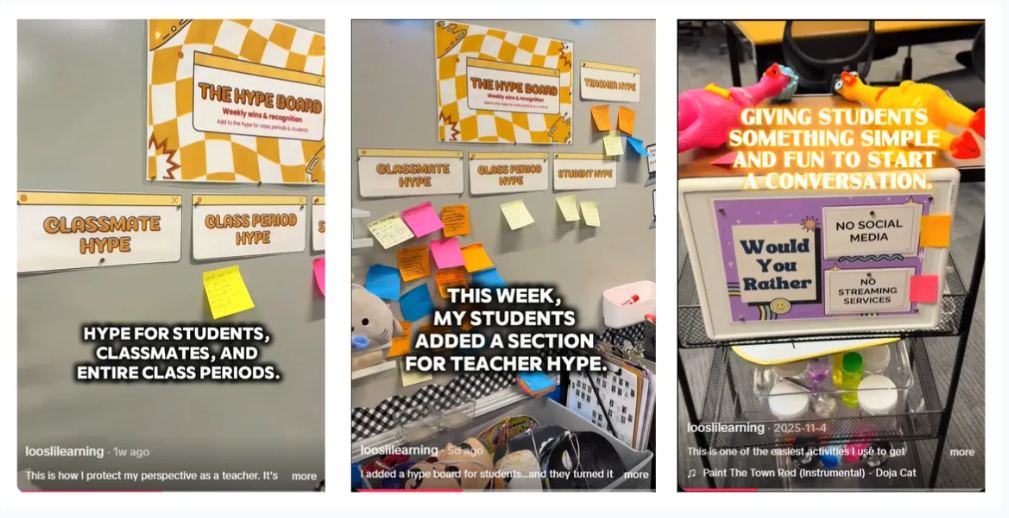
Credit @Loolislearning. Video available here
Tapping into a shared sense of place
Mariya Mobeen is an Assistant Principal in a large mainstream secondary in Bradford and Lead Tutor on our course, Educational Leadership through a Cross Cultural Lens. Her school has started offering tours of the local community to all new teachers. “We realised that staff who have the best relationships with students are those who know the community really well,” she says.
Mariya explains that, as well as encouraging a “shared frame of reference” so staff can easily converse with students about their lives outside of school, it can also make lessons more engaging. “A local area of interest can also be incorporated into geography lessons, a takeaway shop can raise a smile in a maths question – there are so many ways to show young people that their world matters to us too and to help teachers and pupils feel that they have this shared space and connection,” she adds. It can also help the curriculum feel more purposeful.
Regular staff training in trauma-informed practice and attachment
Most schools have some level of training, but this is not the same as regular scenario-based practice and a consistent shift away from “punishment” to both logical and consistent consequences for unwanted behaviour. Staff also need the headspace and skills to practice self-care and avoid empathy drain.
Click here to continue reading this article, (including more on empathy training, co-operative learning, the role of a character-led curriculum and the social belonging intervention).
Real Training is a leading provider of high-quality, online professional development and postgraduate training, specifically designed for professionals working in busy school environments. Part of Real Group, we are led by Educational Psychologists, and specialise in SEND and inclusion, children’s mental health and inclusive leadership.
What sets us apart is our commitment to flexible, well-structured, practice-led learning, designed by SEND experts. Delegates on our courses evaluate the theories and frameworks behind inclusion and models of disability, as well as deepening their knowledge of psychology and neurodiversity. Learning is evidenced through implementation of action plans and SEND improvement projects that drive real change, bringing colleagues along with you.
Since 2004, we have trained thousands of educators across the UK, including those wanting to qualify as SENCOs, Senior Mental Health Leads, and Exam Access Arrangement Assessors, as well as experienced school leaders looking to deepen their knowledge of inclusion.
Our sister companies include ESF Apprenticeships and Dyslexia Action Training.
Our courses are:
Delivered through self-paced online study, or live training in our virtual classroom. Our interactive online learning platform takes you through logically structured, interactive materials and research. This includes opportunities to network and share ideas with other SEND professionals online.
Supported by dedicated tutors. Delegates highly rate one-to-one tutor support from SEND experts. Our tutors include EPs, current and former SENCOs, SLT, and SALTs.
Practice-focused. Assignments are designed to have a direct, positive impact on the delegate’s workplace.
Accredited. All modules that make up our five MEd programmes are awarded and quality assured by Middlesex University.