Summer learning doesn’t have to look like school – Here’s why just 15 minutes a day can make all the difference
The summer holidays are a chance for many families to slow down, spend time together and relax away from the busy routine of term time. But as we know, for children with SEND or additional learning needs, spending a long period away from the structure of school can make returning to the classroom difficult.
Studies show that many children lose weeks of learning over the summer holidays by not maintaining their skills. This isn’t because children stop developing or aren’t capable of learning – it’s simply that our brains forget information when we don’t use it. Fortunately, you don’t need to spend hours tutoring your child over the holidays to avoid learning loss.
One of the simplest and most effective ways to prevent summer learning loss is to share with parents how they can develop a learning habit of ten minutes a day.
Ten minutes of learning doesn’t feel overwhelming for kids or parents. But ten minutes is enough to keep your child’s brain in learning-mode. Practising skills regularly, without pressure or stress, allows children to retain knowledge through memory. It also makes starting school easier in September as children don’t have to spend weeks catching up – they can begin continuing their learning straight away.
Children with SEND especially benefit from keeping a learning habit over the holidays. Many rely heavily on consistency and repetition to gain confidence and develop important skills like working memory, attention and planning & organisation. By encouraging just a few minutes of learning each day, you can help your child maintain those skills without disrupting the fun of summer.
The great thing is that you don’t need to spend all your summer sat at a desk. Here are some ideas for learning outside the classroom:
1. Plan your meals
Writing a shopping list, comparing different foods and planning what you’re going to eat each day can help with literacy, numeracy and executive function skills. Your child can practise sorting, sequencing and decision-making skills as you help with everyday tasks.
2. Cook and bake
Recipes are a great way to learn. Reading them develops comprehension skills, following the instructions develops sequencing and maths is involved every time you bake! Asking your child to adapt a recipe or explain what they’re doing also encourages communication.
3. Grow something
Plant some vegetables in a garden, watch your flowers bloom or encourage your kids to observe the wildlife when you’re out on a family walk. Kids learn science skills as they develop curiosity and discover how to ask questions about the world around them. You can take learning outside and encourage growth measurements, predictions and even journaling.
4. Give children responsibilities
Allowing your child to help you budget for an outing, find the best deal on Amazon or plan a day out encourages problem-solving skills. It also requires them to think independently and make their own decisions. Children develop planning, prioritisation and mental flexibility when they have opportunities to do chores with adults.
5. Get practical
Cooking is great, but why not try some DIY? Building, making or creating models allows children to learn whilst seeing physical results as they work. maths is involved whenever you measure or estimate, and reading extends their comprehension as they follow instructions.
6. Family games night
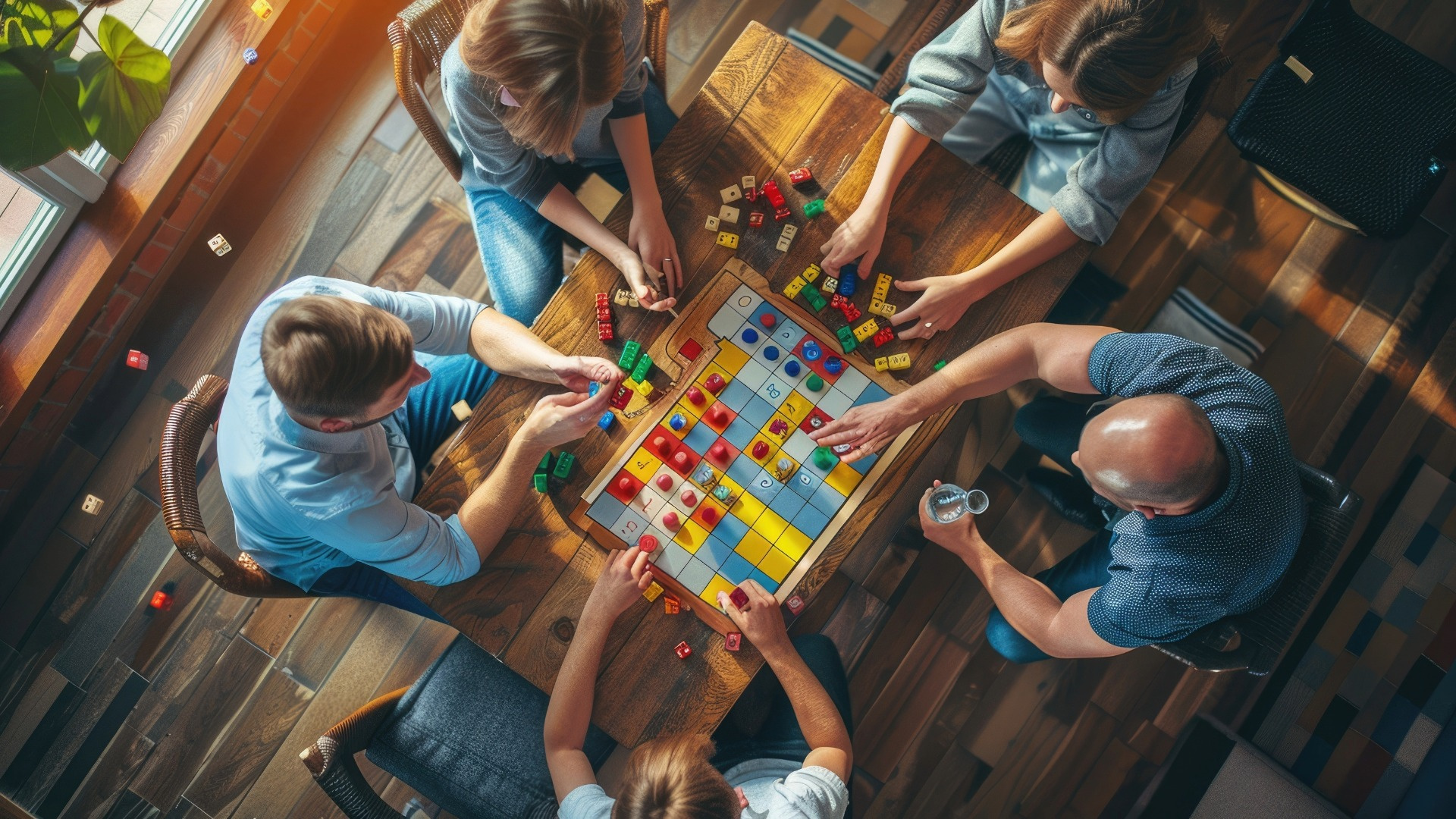
Board games and card games are great for developing memory, language, problem-solving and maths. They also teach children how to take turns, listen to others and control their emotions. Many games encourage social skills and strategic thinking, all whilst having fun with the family.
Parents often put too much pressure on ourselves to try and educate our children. As educators, if we can support parents to encourage curiosity and allow opportunities for conversation and practice over the summer, that’s a win. If their child reads for ten minutes, helps cook dinner, plays a board game with you, or writes a shopping list they have learned.
Just because the school holidays have begun, it doesn’t mean learning has to stop and also doesn’t mean there should be a pressure to sit at a desk.
But, through active learning these 15 minutes of learning a day add up. Over the course of a typical six-week summer holiday, that’s over 7 hours of learning.
More importantly, it keeps your child’s mind active, maintains the progress they’ve worked hard for all year in school, and helps them feel excited to go back in September.

Dr Tej is a Learning Coach and Creator or Performance Learning, an award-winning education company supporting schools to improve pupil focus, outcomes, confidence and wellbeing. Over the past decade, he has worked with more than 25,000 students across the UK and internationally, partnering with educators to support learners with SEND through evidence-informed, practical approaches.