Rethinking screen time: The case for purposeful digital Learning in Alternative Provision

Almost all 8-17-year-olds are online (99%), and most (78%) have their own mobile phone - with ownership rising steeply between age 10 and 11 (56% to 83%). Ofcom data also shows that pupils aged 8 to 14 spend over three and a half hours online daily (rising to six hours for older teens), making the push for blanket bans completely understandable.
But could framing screen time as simply "good" or "bad" make us miss the point about technology, and disregard the myriad opportunities it brings?
The real distinction: Passive vs. active
We now know that measuring technology use purely by hours spent staring at a screen is fundamentally flawed. When we treat all digital time as identical, we equate a teenager mindlessly doomscrolling short-form video feeds late at night with a pupil collaborating on an interactive whiteboard, building code, or tackling mathematics in a live online classroom.
The core issue is not the device itself, but the type of engagement. Passive screen time - characterised by infinite scrolling, auto-playing videos, and low-challenge content - requires minimal effort. Ofcom research shows 65% of children online primarily consume content, while only 34% actively create it. This passive viewing delivers rapid dopamine hits that train the brain to expect instant novelty. Over time, high-effort tasks like analysing a text or solving multi-step equations feel painfully slow, triggering mental fatigue and disengagement - especially in neurodivergent learners.
Why active screen time works for SEND
Conversely, active screen time stimulates curiosity, builds agency, and deepens learning. While passive listening yields just 5% to 10% information retention, active learning where pupils apply concepts boosts retention up to 75%.
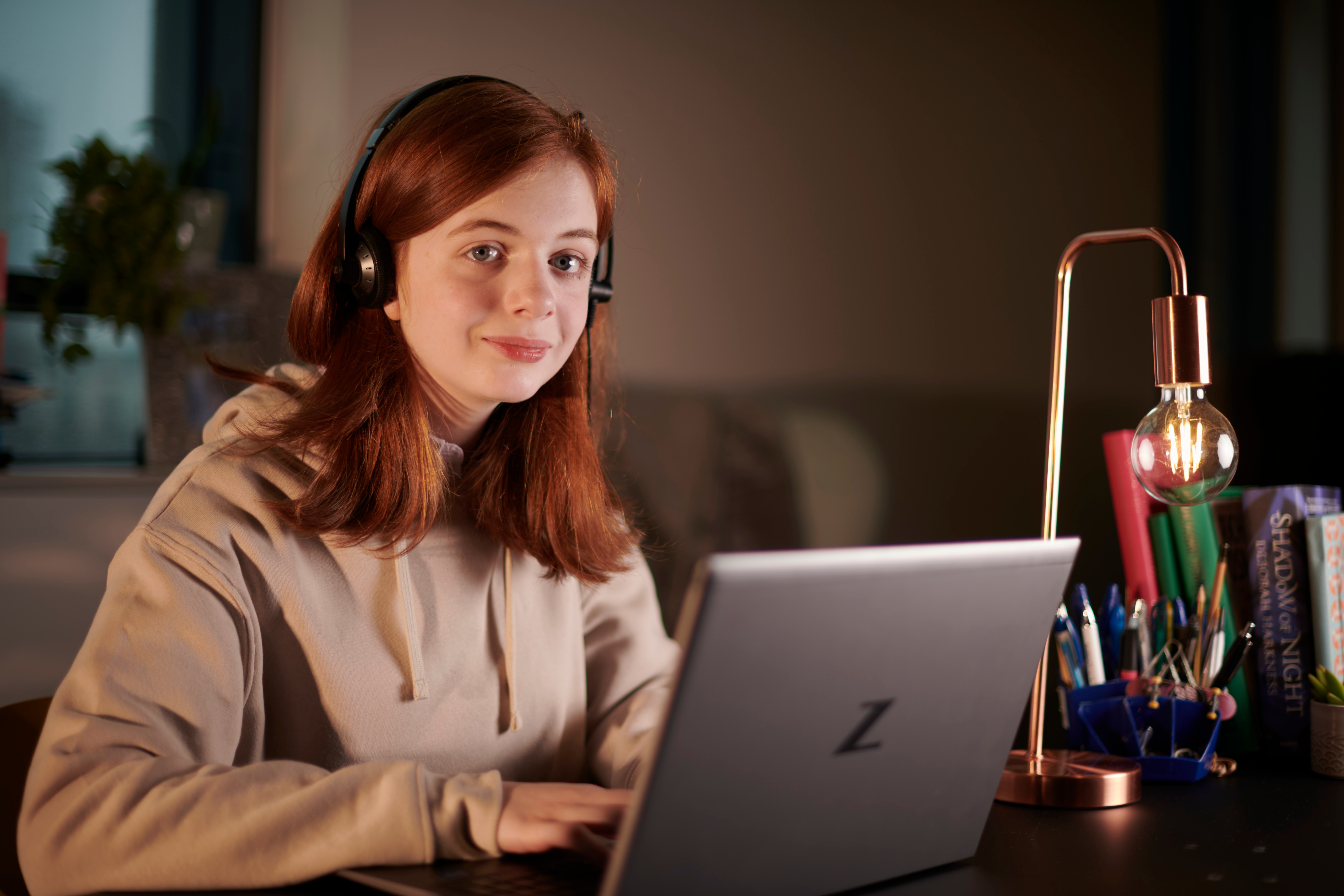
For pupils with Special Educational Needs and Disabilities (SEND) or Social, Emotional and Mental Health (SEMH) challenges, active digital environments offer something a traditional physical classroom often cannot: psychological safety. Tools like non-verbal text chat, live digital polling, and onscreen drawing allow anxious learners to participate without the pressure of speaking aloud in front of 30 peers. Multi-sensory platforms cater directly to visual processing styles, while real-time feedback lets specialist teachers adjust the learning pace instantly. In this context, the screen stops being a distraction and becomes an engine for inclusion.
For example, at Academy21, the UK’s leading online AP specialist, our online platform is specifically designed to increase engagement, stimulate pupils, and make them feel safe and heard while developing their cognitive skills and confidence. Lessons are delivered in real time with expert teachers, and technology is used to support engagement and understanding.
Reframing the debate
As we look ahead to September, we need to shift the conversation away from rigid minute-counting. Instead of asking how many hours a pupil spent online, we need to ask what they were doing while logged on. We can actively guide young people toward digital creation - such as illustration, music production, or basic coding - and ensure AP relies on live, interactive teaching rather than pre-recorded videos. Technology is here to stay; the solution isn't demonising screens but helping our pupils master how to use them.
Academy21 is proud to be the UK’s leading provider of live, online, alternative provision. We offer DfE Accredited Online Alternative Provision that works with you to support reintegration.
We work in partnership with schools and local authorities to provide students who have additional learning needs or challenging circumstances, access, to the high-quality they need and deserve. Our fully qualified teachers deliver adaptive teaching through our 100% live lessons, building students’ confidence, with accessibility in mind.
Academy21 offer a range of short, optional courses and individual support to provide a comprehensive solution for students who need more help to thrive at and beyond school. These optional short courses equip students with the skills they need to succeed academically and socially.
Areas we can support:
- Provision for Key Stage 3 and 4 students
- In-house support for inclusion unit or ‘hybrid’ provision
- Enhanced courses for students with additional needs
- Anxiety management
- Social skills
- One-to-one counselling
- Wellbeing mentoring
- Maths support (KS4)
- English as an additional language
- Literacy support
- Numeracy support
Find out more about our provision on our website: https://academy21.co.uk/
Contact us for more information: https://academy21.co.uk/contact/